
Ethics of Animal Testing in Scientific Research Essay. “Explore the ethics of animal testing in scientific research — weighing scientific progress against animal welfare in this thought-provoking essay.” There are 2 essays; read them and let us know which one you like more.
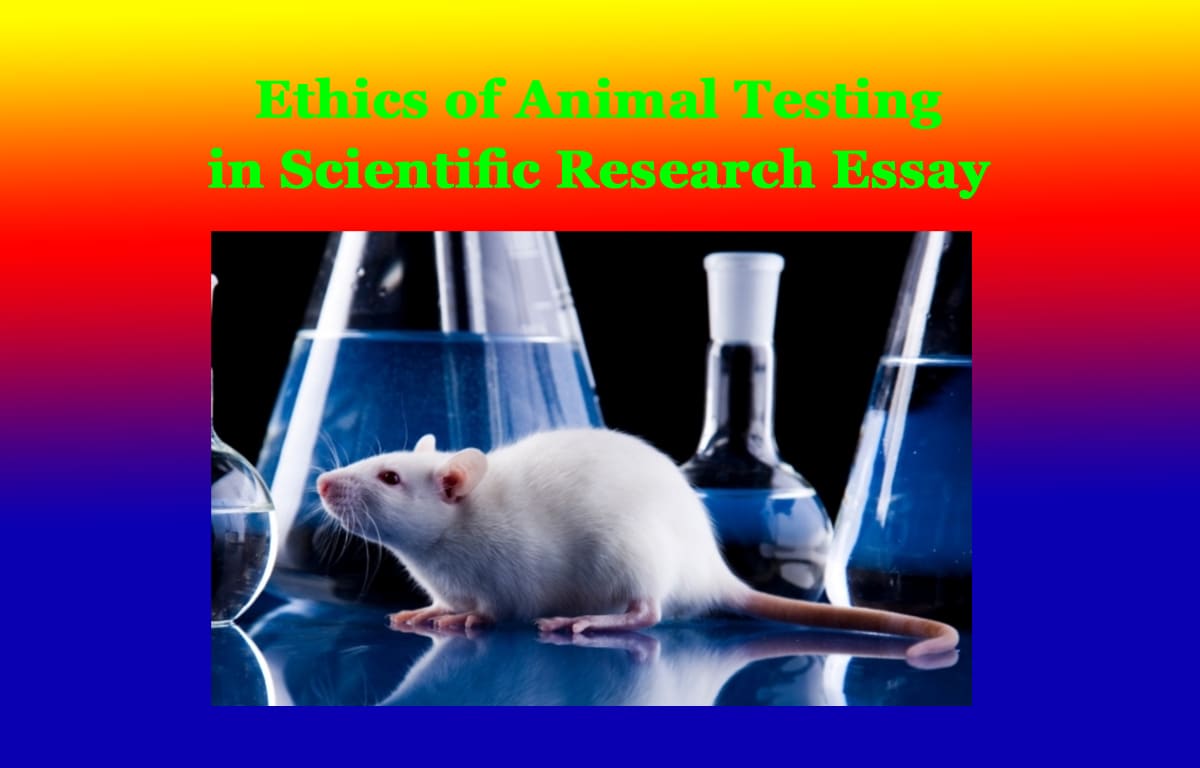
Ethics of Animal Testing in Scientific Research Essay (1)
Introduction: Animal testing in scientific research has long been a subject of ethical debate. It involves using animals in experiments to develop medicines, test products, and advance scientific knowledge. While it has contributed significantly to human progress, it also raises serious moral questions about the treatment and rights of animals.
Meaning of Animal Testing: Animal testing refers to the use of living animals such as mice, rabbits, and monkeys in laboratory experiments. These tests are conducted to study biological processes, understand diseases, and ensure the safety and effectiveness of new drugs and products before they are used by humans.
Arguments in Favour of Animal Testing: Supporters argue that animal testing is essential for scientific advancement. Many life-saving treatments and vaccines have been developed through animal research. For instance, breakthroughs in vaccines and surgical techniques were made possible due to experiments on animals. Scientists claim that it helps in understanding complex biological systems, which cannot be fully replicated through computer models or cell cultures alone.
Ethical Concerns and Criticism: Despite its benefits, animal testing raises ethical concerns. Critics argue that animals have the capacity to feel pain and suffering, and using them for experimentation is morally wrong. Many experiments involve harmful procedures, confinement, and sometimes death. Animal rights activists believe that humans do not have the right to exploit animals for their own benefit.
The Principle of the Three Rs: To address ethical concerns, scientists follow the principle of the Three Rs: Replacement, Reduction, and Refinement. Replacement means using alternatives to animals wherever possible. Reduction involves using the minimum number of animals required for reliable results. Refinement focuses on minimizing pain and improving the welfare of animals used in research.
Legal Regulations and Guidelines: Many countries have established laws and guidelines to regulate animal testing. Ethical review boards monitor experiments to ensure that they are necessary and humane. Strict regulations aim to balance scientific progress with animal welfare, ensuring that unnecessary suffering is avoided.
Alternatives to Animal Testing: Advances in technology have led to the development of alternatives such as computer simulations, cell cultures, and artificial tissues. These methods reduce the need for animal testing and offer more ethical ways to conduct research. However, they are not yet capable of completely replacing animal experiments in all fields.
Conclusion: In conclusion, the ethics of animal testing in scientific research involves a complex balance between human benefits and animal rights. While it has played a crucial role in scientific development, it is important to minimize harm and seek alternatives if possible. 0 0 0
Ethics of Animal Testing in Scientific Research Essay (2)
Introduction
Animal testing has long been a part of scientific and medical research, used to study diseases, test new drugs, and understand biological processes. While it has contributed significantly to scientific progress, the practice raises important ethical questions about the treatment and rights of animals used in these experiments.
Arguments in Favour of Animal Testing
Supporters of animal testing argue that it has played a crucial role in medical breakthroughs, including vaccines, treatments for diseases, and surgical techniques. Since animals share biological similarities with humans, testing on them helps researchers predict how the human body might react to new drugs or treatments before human trials begin. Many argue that, when conducted responsibly, animal testing has saved countless human lives and remains essential for ensuring the safety of new medicines.
Arguments Against Animal Testing
On the other hand, critics argue that animal testing causes unnecessary pain, suffering, and stress to animals, raising serious ethical concerns. Many believe that animals, like humans, have the capacity to feel pain and should not be subjected to experiments purely for human benefit. Additionally, differences between animal and human biology mean that results from animal testing are not always accurate or applicable to humans, which can sometimes lead to failed treatments or unnecessary animal suffering.
Alternatives to Animal Testing
With advancements in technology, alternatives such as computer modeling, cell cultures, and organ-on-chip technology are being developed to reduce reliance on animal testing. Many scientists and organisations advocate for the “3Rs” principle: Replacement, Reduction, and Refinement, which aims to minimise animal use while maintaining scientific accuracy.
Conclusion
In conclusion, the ethics of animal testing remain a complex and debated issue, balancing scientific advancement with animal welfare. As technology evolves, striving to reduce dependence on animal testing while continuing scientific progress could pave the way for a more ethical approach to research in the future.
N.B. If you like the Ethics of Animal Testing in Scientific Research Essay, please let us know your feedback.