
Impact of Covid-19 on Indian Society Essay. Explore how COVID-19 reshaped Indian society—from economic disruption and education to healthcare and social change. Read the full essay. There are 2 essys, read them well and send your feedback on which one you like.
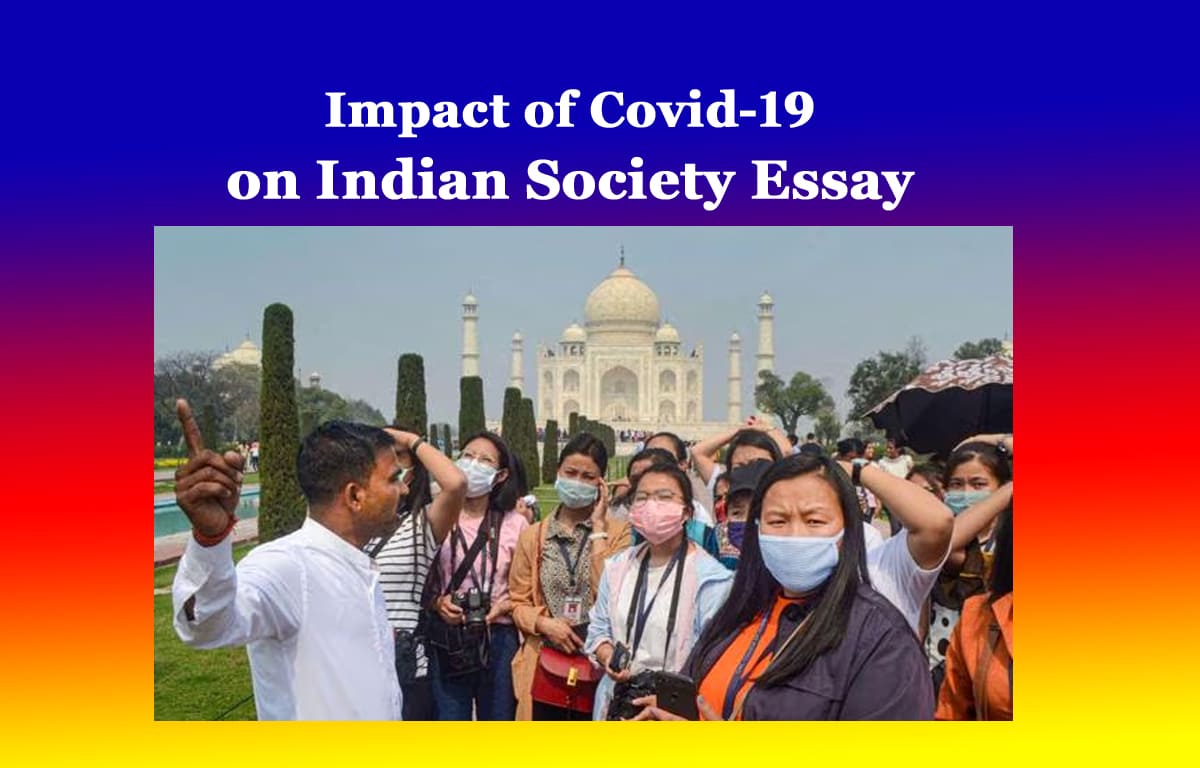
Impact of Covid-19 on Indian Society Essay
Introduction: The Covid-19 pandemic was more than just a medical emergency; it was a major turning point that reshaped the social fabric of India. It affected every citizen, from migrant laborers to corporate professionals, changing how we live, work, and interact.
Shift to a Digital Lifestyle: The pandemic accelerated India’s transition to a Digital India. With lockdowns in place, everything shifted online—from education (E-learning) and healthcare (telemedicine) to grocery shopping and banking. While this modernized the urban lifestyle, it also highlighted the “digital divide,” as many rural students struggled to access education due to a lack of internet and devices.
Challenges for the Migrant Population: One of the most visible social impacts was the migrant crisis. Millions of daily-wage workers in cities lost their jobs and were forced to walk hundreds of kilometers back to their villages. This event brought national attention to the vulnerability of the informal sector and sparked a conversation about the need for better social security and rural employment opportunities.
Resurgence of Family and Community Values: On a positive note, the pandemic led to a resurgence of traditional family values. Families spent more time together, and the spirit of “Vasudhaiva Kutumbakam” (the world is one family) was seen as communities came together to provide food, oxygen, and support to strangers. This reinforced the importance of social empathy and community bonding.
Focus on Health and Hygiene: The pandemic brought a massive shift in public health awareness. Concepts like social distancing, sanitization, and wearing masks became part of daily life. There was also a significant increase in interest toward Ayurveda, yoga, and immunity-boosting diets, as people became more conscious of their holistic well-being.
Impact on Mental Health: The isolation caused by lockdowns, the fear of losing loved ones, and economic uncertainty led to a rise in mental health issues. Anxiety and depression became more common among the youth and the elderly. However, this also helped in breaking the stigma surrounding mental health in India, as more people began openly discussing and seeking professional help.
Economic Hardships and Resilience: Many small businesses and local vendors faced severe financial losses. However, the crisis also showcased Indian resilience. From the local “Kirana” stores becoming lifelines to the rapid production of indigenous vaccines, the society showed an incredible ability to adapt and survive under pressure.
Conclusion: Covid-19 left a lasting footprint on Indian society. While it caused immense pain and exposed gaps in our systems, it also taught us the power of technology, the importance of health, and the strength of human unity. For students, the pandemic serves as a lesson in how a society can transform and grow even in the face of the greatest challenges. 0 0 0
Impact of COVID-19 on Indian Society Essay (2)
Introduction
The COVID-19 pandemic was one of the most disruptive events in modern Indian history. Beyond its immediate health toll, it triggered sweeping changes across the economic, social, and educational fabric of the country, many of which continue to shape Indian society today.
Economic Disruption
The nationwide lockdowns imposed in 2020 brought economic activity to a near standstill. Small businesses shut down, industries halted production, and unemployment surged. Migrant workers were among the hardest hit, with many losing jobs in cities and undertaking long, difficult journeys back to their home villages. The informal sector, which employs a large share of India’s workforce, suffered disproportionately due to its lack of social security and savings.
Healthcare System Under Strain
The pandemic exposed significant weaknesses in India’s healthcare infrastructure. Hospitals faced shortages of beds, oxygen, and essential medicines, particularly during the devastating second wave in 2021. At the same time, the crisis accelerated investment in healthcare, from vaccine production to telemedicine, and highlighted the urgent need for stronger public health systems.
Disruption to Education
With schools and colleges closed for extended periods, education shifted online almost overnight. While this transition benefited students with access to digital devices and reliable internet, it widened the gap for those in rural or economically disadvantaged areas, many of whom fell behind or dropped out entirely.
Social and Psychological Effects
The pandemic reshaped social behavior, from increased reliance on digital communication to a heightened awareness of hygiene and health. Isolation, uncertainty, and loss also took a toll on mental health, with rising reports of anxiety and depression across all age groups. At the same time, communities came together through mutual aid networks, volunteer efforts, and support systems during the crisis.
Acceleration of Digital Adoption
One lasting effect of the pandemic has been the rapid adoption of digital technology. Online shopping, digital payments, remote work, and telehealth services saw unprecedented growth, changing how millions of Indians work, shop, and access services.
Conclusion
COVID-19 left a profound and lasting impact on Indian society, exposing existing vulnerabilities while also driving innovation and resilience. As India moves forward, the lessons learned from the pandemic—particularly around healthcare preparedness, digital inclusion, and social support systems—remain essential for building a stronger, more equitable future.
N.B. If you like the Impact of Covid-19 on Indian Society Essay, please don’t forget to share your feedback.